
How Social Media Influences Skincare Trends

I’ve spent the better part of two decades in skincare manufacturing, and let me tell you – nothing could have prepared us for the social media revolution. Just when you think you understand how it’s shaping our industry, something new pops up. The other day, I was in a development meeting when a client urgently requested a formulation change because of a TikTok trend. Welcome to the new normal in skincare manufacturing.
The Speed Factor
It’s almost funny to think back to how trends used to develop. We’d attend trade shows, read industry reports, and carefully plan product launches months in advance. Now? I’ve seen ingredients go from obscure to “must-have” overnight. Just try explaining to a brand why their rushed reformulation request might need six weeks of stability testing when their competitors are already teasing similar products on Instagram.
Platform by Platform
You know what’s fascinating? How each social platform has carved out its own unique influence on our industry.
Take TikTok, for instance. It’s complete chaos – but the good kind. One viral video about skin barrier repair can send our phones ringing off the hook with brands wanting to reformulate their entire line. The speed is insane, but there’s no denying its power to move markets.
Instagram’s still doing its thing, though differently now. We’re actually seeing more requests for specific textures and finishes because “it needs to look good in Reels.” I never thought I’d be discussing how a serum photographs during formulation meetings, but here we are.
Then there’s YouTube – the elder statesman of social media skincare. Those 30-minute deep dives into ingredient lists have created a generation of consumers who know more about formulation than some industry veterans. It keeps us on our toes, that’s for sure.
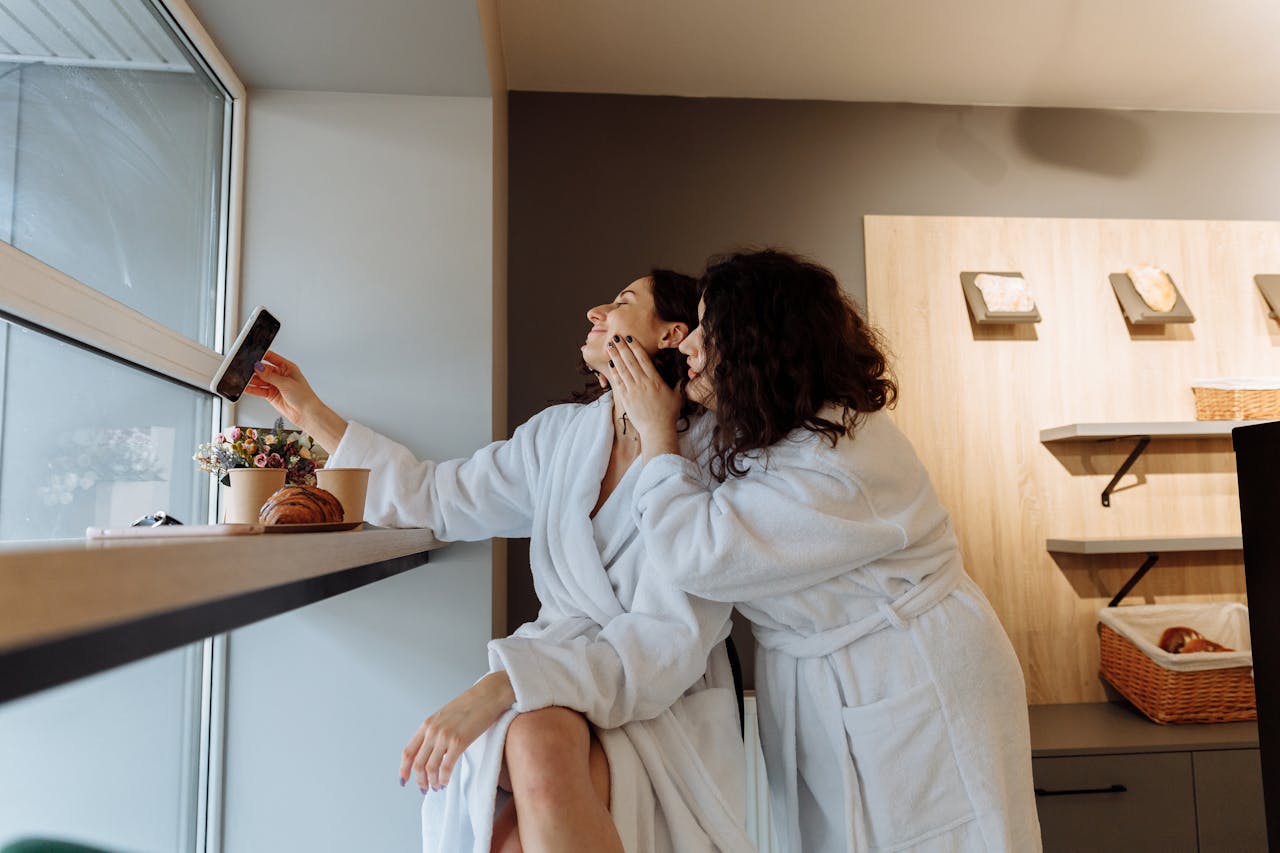
The Viral Ingredient Rush
Let me share something that happened recently: A relatively unknown mushroom extract suddenly went viral. Within days, we had multiple brands requesting samples and pricing. The funny part? Most couldn’t even tell us what specific benefits they were looking for – they just knew they needed it. This kind of thing happens more often than you’d think.
Working with Influencers
Here’s a reality check about influencer collaborations: they’re complicated. Don’t get me wrong – some influencers really know their stuff. But there’s often a disconnect between what looks good on camera and what makes for effective skincare. We’ve had some interesting conversations explaining why certain trendy formulation requests just aren’t feasible.
The Education Piece
If there’s one silver lining to all this social media influence, it’s education. Consumers actually understand what niacinamide does now. They ask about pH levels. They know why certain ingredients shouldn’t be mixed. It makes our job more challenging, but also more rewarding – we can have much more sophisticated conversations about formulation.
Managing Trend Cycles
I’ll be honest – sometimes the pace of trends gives me heartburn. We had a brand recently push to launch a product in half our usual development time because they were worried the trend would die before they got to market. Spoiler alert: rushing development rarely ends well.
The Ingredient-Focused Era
One thing that’s definitely changed is the level of detail brands need about their formulations. It’s not enough to list ingredients anymore – consumers want to know percentages, they want to understand why each ingredient was chosen, they want to know how ingredients work together. Our documentation process has had to evolve significantly to meet these demands.
Social Commerce Impact
The connection between social media and e-commerce has changed how we approach development. We now have to think about things like: Will this serum look good in an unboxing video? How will this texture translate on screen? Will this packaging be Instagram-worthy? These weren’t considerations five years ago.
Opportunities in the Chaos
Despite the challenges, social media has created some interesting opportunities. We’ve seen brands use social platforms to test concept interest before committing to full production runs. The immediate feedback can be invaluable – when you know how to interpret it correctly.

Manufacturing Realities
From a manufacturing standpoint, all this has meant some significant adjustments. We’ve had to become more flexible with production schedules and batch sizes. Our documentation has gotten more detailed to support brands’ content needs. Even our sampling process has evolved to accommodate social media testing.
What Works Now
Based on what I’ve seen work (and fail), here’s my advice to brands:
Don’t chase every trend – it’s exhausting and expensive. Instead, build a solid foundation and be ready to pivot when it makes sense. Plan for content creation from the start – it’s not an afterthought anymore. And please, give your formulations enough time to be properly developed and tested.
Looking Ahead
The influence of social media isn’t going anywhere – if anything, it’s getting more complex. The brands that succeed will be those who can balance speed with quality, education with entertainment, and trends with proven science.
Closing Thoughts
After all these years in manufacturing, I’ve learned that while trends come and go, quality formulation remains constant. Yes, social media has changed how we work, but it hasn’t changed the fundamentals of what makes good skincare. The trick is adapting to the new pace while maintaining the standards that matter.
Remember, today’s viral sensation is tomorrow’s old news, but a well-formulated product will keep customers coming back. That’s something no amount of likes or shares can replace.
