
Are Natural Ingredients Better? The Truth About Clean Beauty
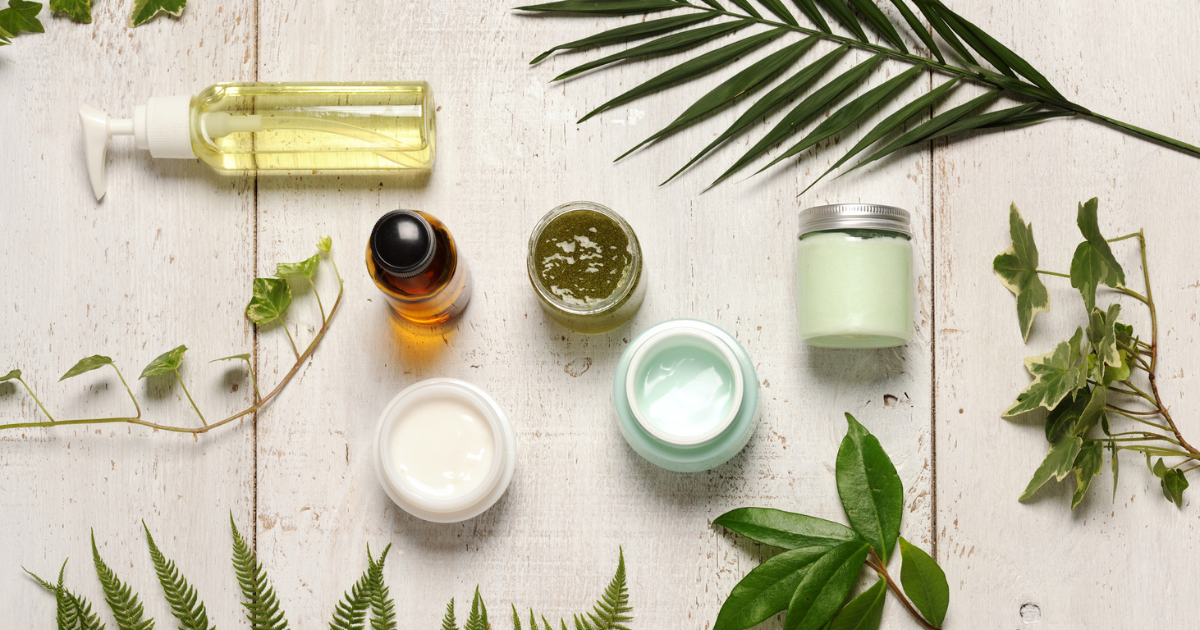
I’ve spent over 15 years in skincare manufacturing, and if there’s one topic that keeps coming up in meetings with brands, it’s “clean beauty.” The funny thing is, every time someone brings it up, we end up having a different conversation about what it actually means. Let me share some straight talk from the formulation bench about what’s really going on with natural ingredients and clean beauty.
What’s This “Clean Beauty” Thing, Anyway?
Here’s what makes me chuckle – ask ten different people what “clean beauty” means, and you’ll get eleven different answers. Just last week, I had two meetings with brands where their definitions were completely opposite. One wanted everything 100% natural (which gave our lab team some headaches), while the other was fine with synthetics as long as they met certain safety criteria.
From what I’ve seen working with brands across different markets, this whole movement really picked up steam because of several things happening at once: consumers getting worried about ingredient safety (sometimes for good reason, sometimes not so much), environmental concerns becoming more mainstream, and honestly, some pretty clever marketing that played into people’s fears about “chemicals.”
Natural vs. Synthetic: It’s Not That Simple
Look, I get why people think natural automatically means better. But after spending countless hours in the lab, I can tell you it’s not that straightforward. Some of the biggest formulation headaches I’ve dealt with came from natural ingredients, while some synthetic ingredients have been absolute workhorses in terms of safety and reliability.
Take essential oils – they’re totally natural, right? But man, the number of times I’ve had to reformulate products because they caused skin reactions… Meanwhile, we’ve got synthetic versions of natural molecules that are actually gentler because they’re pure and consistent. Nature can be messy sometimes.
Real Talk About Formulation Challenges
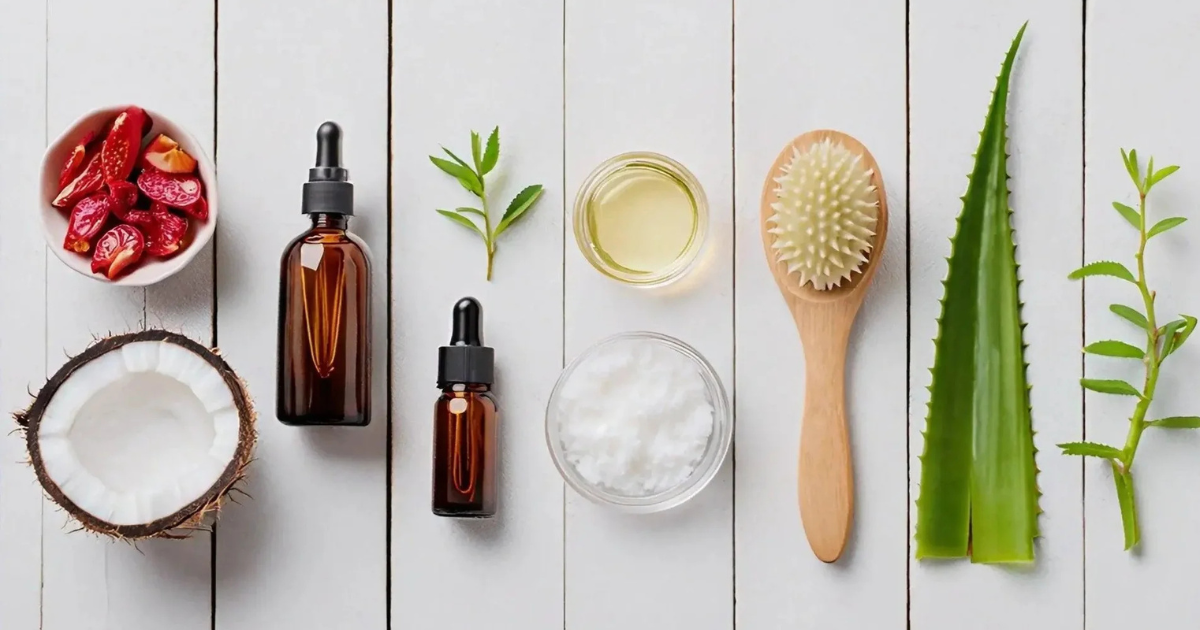
Let me tell you about some real-world challenges we face with natural ingredients. Just last month, we got a batch of botanical extract that was so different from our previous shipments that we had to stop production completely. This kind of thing happens more than you’d think.
The stability issues can be a nightmare too. I’ve lost count of how many times we’ve had to go back to the drawing board because a natural preservative system just wasn’t cutting it. And don’t even get me started on the cost fluctuations – try explaining to a brand why their ingredient costs just doubled because of a bad harvest somewhere.
Safety Isn’t About Natural vs. Synthetic
Here’s something that might ruffle some feathers: natural ingredients aren’t automatically safer than synthetic ones. I’ve seen this firsthand in our testing lab. Natural ingredients can contain hundreds of compounds – some good, some not so good. Meanwhile, synthetic ingredients often give us more predictable results because we know exactly what’s in them.
The Preservation Puzzle
Okay, let’s talk about one of my biggest formulation challenges – preservation. Nobody wants moldy products, but try telling that to someone who’s dead set against any synthetic preservatives.
I’ve probably spent more time testing natural preservation systems than anything else in my career. Sometimes they work great, but often they’re less effective than conventional preservatives. We usually end up needing to use more of them, which can actually increase the risk of irritation. Ironic, right?
Finding Middle Ground
After years of banging my head against this particular wall, I’ve come to a pretty simple conclusion: the best approach is usually somewhere in the middle. Use natural ingredients when they make sense, but don’t be afraid of safe synthetic ingredients when they’re the better choice.
The Regulatory Side
Here’s something that keeps our regulatory team busy – different markets have completely different rules about what you can claim about “natural” products. I’ve seen brands get into hot water because they didn’t realize their “all-natural” claims wouldn’t fly in certain markets.
Some Practical Advice
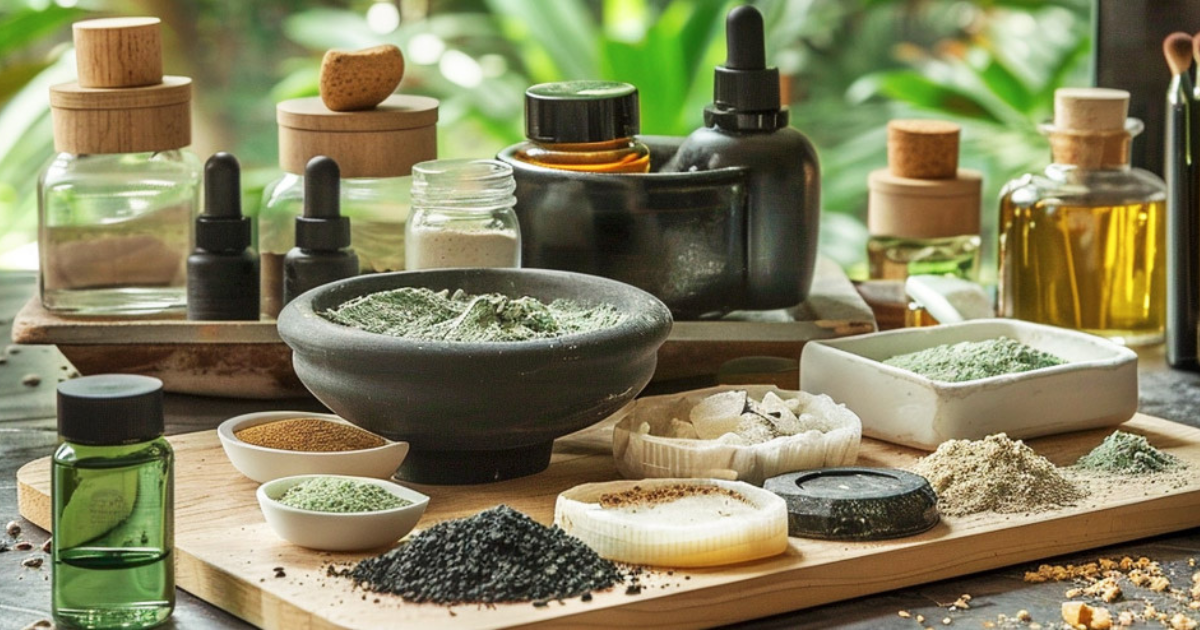
If you’re developing products in this space, here’s what I’ve learned the hard way:
Figure out your non-negotiables early. What ingredients absolutely must be natural? What synthetic ingredients are you okay with?
Don’t underestimate stability testing. Natural formulations can be tricky, and you don’t want to find that out after launch.
Be realistic about preservation. Sometimes a combination of natural and synthetic preservatives is your best bet.
Looking Forward
The industry’s changing in some interesting ways. We’re seeing some cool stuff coming out of biotech that might bridge the natural-synthetic divide. Testing methods are getting better at helping us understand ingredient safety. And consumers? They’re getting smarter about the science behind their skincare.
Final Thoughts
After all these years in the lab, I’ve learned that the whole natural versus synthetic debate often misses the point. What really matters is whether something is safe, effective, and suitable for its purpose.
The brands that tend to do best are the ones that take a balanced approach – using the best ingredients for the job, whether they’re natural or synthetic. They focus on creating products that actually work and that they can produce consistently.
Remember, at the end of the day, you’re trying to create products that are safe, effective, and meet your customers’ needs. Sometimes that means going natural, sometimes synthetic, and usually somewhere in between. And you know what? That’s okay.
