
How E-commerce Is Changing the Beauty Industry
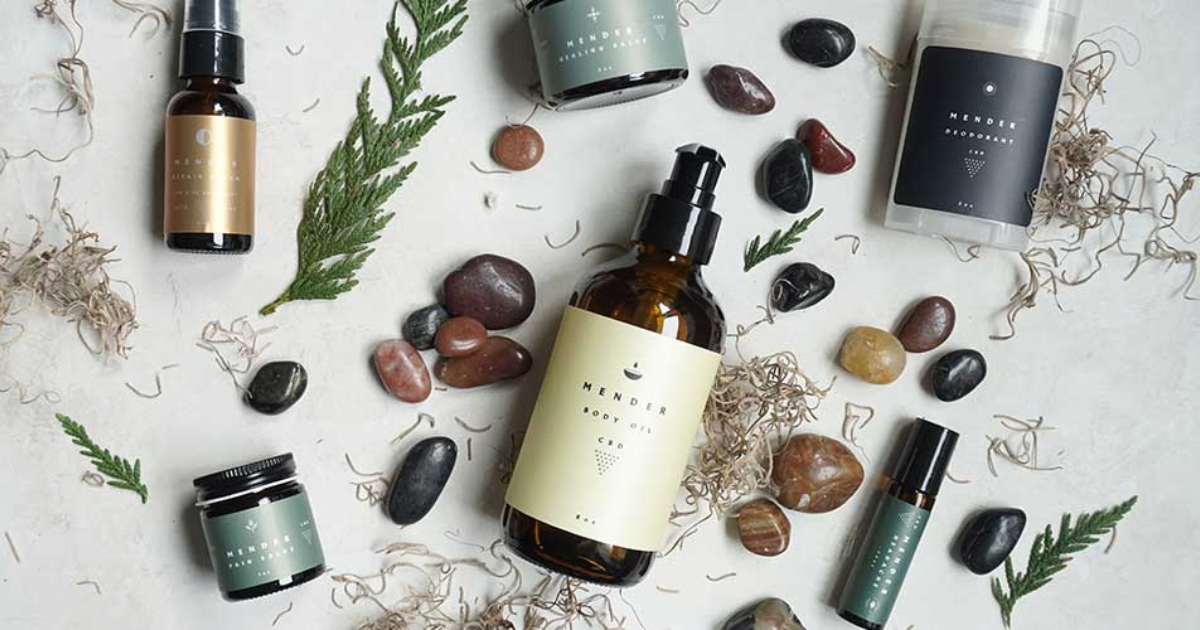
The beauty industry has always been dynamic, but e-commerce has completely transformed the landscape. As someone who’s been manufacturing skincare products for over 15 years, I’ve had a front-row seat to these changes. The shifts we’re seeing aren’t just about where products are sold – they’re fundamentally changing how brands develop, launch, and market their products.
The New Speed of Beauty
Remember when it took 18-24 months to launch a new product? Those days feel like ancient history. Now we’re getting calls from brands wanting to go from concept to market in 3-4 months. Just last week, a client asked if we could fast-track development because they wanted to capitalize on a trending ingredient they’d spotted on social media.
This acceleration has completely changed how we work. We’ve had to restructure our development process, maintain larger ingredient inventories, and become much more flexible with production schedules. It’s challenging, but it’s also exciting – there’s something energizing about this new pace.
The Rise of Indie Brands
One of the most fascinating changes I’ve witnessed is the explosion of indie beauty brands. E-commerce has completely demolished the traditional barriers to entry. You don’t need massive capital or retail relationships anymore – just a good product and smart digital marketing.
We’re seeing all kinds of innovative business models. Some brands start purely on Instagram, others focus on Amazon, and some build their own robust e-commerce operations. What’s interesting is how these different approaches affect product development decisions.
Direct-to-Consumer: The Game Changer
The direct-to-consumer (DTC) model has revolutionized how brands think about their products. When you’re selling directly to consumers, you get immediate feedback. This has led to some interesting developments in our lab:
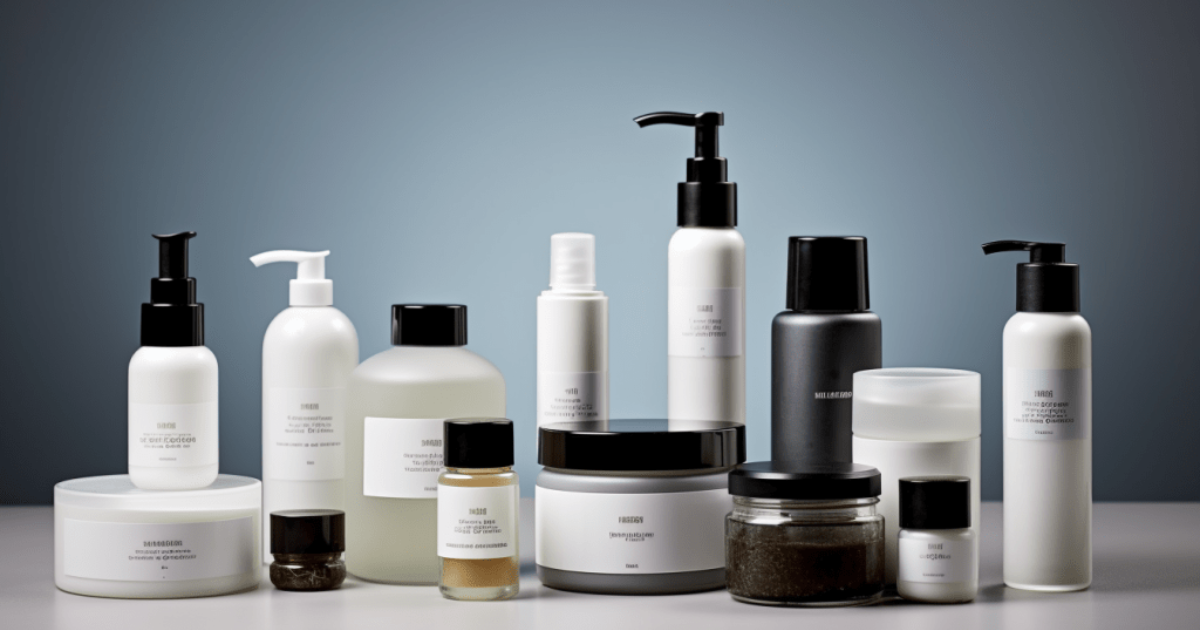
- More emphasis on packaging that photographs well
- Greater focus on immediate results that customers can share
- Increased demand for unique textures and sensory experiences
- Need for products that ship well in various conditions
Social Media’s Impact on Development
Social media hasn’t just changed marketing – it’s fundamentally altered product development. We’re constantly adapting formulations and packaging to meet the demands of the digital age:
- Products need to look good on camera
- Textures need to create engaging content
- Packaging must be Instagram-worthy
- Claims need to be social-media-friendly
The Private Label Boom
E-commerce has supercharged the private label segment. We’re seeing more entrepreneurs than ever launching their own brands, and they’re getting smarter about it. They understand their target market, know their positioning, and come to us with clear visions of what they want to create.
This has led to some interesting trends in private label development:
- More customization requests
- Higher focus on unique selling propositions
- Increased interest in sustainable options
- Demand for lower MOQs (Minimum Order Quantities)
Global Competition and Local Advantages
E-commerce has made beauty truly global. We’re seeing brands from all over the world competing in markets they couldn’t access before. This has some interesting implications:
- Increased pressure for competitive pricing
- Need for more distinctive products
- Greater emphasis on local ingredients and stories
- Focus on regulatory compliance across multiple markets
Consumer Behavior Shifts
The way people buy beauty products has fundamentally changed. Online shopping has created new expectations:
Detailed ingredient information
- Transparent pricing
- Rich product content
- Quick shipping
- Easy returns
This affects everything from how we formulate products to how we design packaging and write documentation.
The Technology Factor
E-commerce isn’t just about online sales – it’s about technology integration throughout the supply chain. We’ve had to adapt our operations:
- Better inventory management systems
- More sophisticated tracking capabilities
- Digital documentation processes
- Enhanced quality control procedures
Opportunities in the Digital Age
Despite the challenges, e-commerce has created numerous opportunities:
- Easier market testing
- More direct consumer feedback
- Ability to pivot quickly
- Lower entry barriers for new brands
What’s Working Now
Based on what we’re seeing in the market:
- Clean, simple packaging designs work well online
- Products with clear, specific benefits perform better
- Sustainable options are increasingly important
- Unique formulations stand out in a crowded market
Common Pitfalls to Watch For
We’ve seen brands stumble in predictable ways:
- Underestimating the importance of product photography
- Not considering shipping conditions
- Focusing too much on trends, not enough on quality
- Poor inventory management
Looking Forward
The e-commerce beauty landscape continues to evolve. We’re seeing:
- More emphasis on personalization
- Growing importance of video content
- Increased focus on sustainability
- Rise of cross-border commerce
Practical Considerations for Brands
If you’re developing products for e-commerce:
- Think about how your product photographs
- Consider shipping requirements early
- Plan for scalability
- Build in quality control processes
- Focus on distinctive features
Manufacturing Adaptations
We’ve had to make numerous changes to support e-commerce brands:
- More flexible production schedules
- Enhanced quality control for shipping stability
- Better documentation systems
- Improved packaging options
The Cost Factor
E-commerce has changed cost considerations:
- Shipping weight matters more
- Packaging needs to be more robust
- Marketing costs are different
- MOQs can be more flexible
Final Thoughts
E-commerce hasn’t just changed how beauty products are sold – it’s transformed how they’re conceived, developed, and manufactured. The successful brands in this space are those that understand these changes and adapt their strategies accordingly.
For manufacturers like us, it’s meant becoming more agile, more responsive, and more innovative in how we support brands. The beauty industry has always been dynamic, but e-commerce has taken that to a whole new level.
The future belongs to brands that can balance speed with quality, innovation with reliability, and global reach with personal connection. It’s a challenging environment, but also an exciting one full of opportunities for those who understand how to navigate it.
