
Combining Actives for Hyperpigmentation Treatment

Hyperpigmentation remains one of the most requested treatment concerns in skincare, driving demand for effective, science-backed formulations. For skincare brand founders and product developers, single-active approaches often fall short of delivering comprehensive results. Multi-active formulations that target multiple pigmentation pathways offer a competitive edge in today’s crowded beauty market.
This guide explores the science, formulation strategies, and B2B considerations for developing high-performance hyperpigmentation treatments using synergistic ingredient combinations.
1. Why Combination Treatments Work Better
Single-active formulations typically address only one aspect of the pigmentation process, limiting their effectiveness across different hyperpigmentation types. Multi-active approaches simultaneously target melanin synthesis, transfer, oxidation, and inflammatory triggers—delivering faster, more comprehensive results for end consumers.
The limitations of single-active treatments include:
- Narrow mechanism of action targeting only one pigmentation pathway
- Slower visible results requiring extended usage periods
- Limited efficacy across different pigmentation types (melasma, PIH, UV damage)
- Higher risk of treatment plateau or resistance
Combination formulations overcome these limitations by engaging multiple biological pathways simultaneously, creating synergistic effects that amplify individual ingredient performance.
Benefits of Synergy
Accelerated Results
When actives work through complementary mechanisms, visible improvement occurs faster than with monotherapy. For example, combining a tyrosinase inhibitor with an antioxidant addresses both melanin production and oxidative triggers, shortening the time to visible brightening.
Broader Spectrum of Pigmentation Types
Different pigmentation concerns require different approaches. Post-inflammatory hyperpigmentation (PIH) responds to anti-inflammatory actives, while melasma requires vascular and hormonal consideration. Multi-active formulations can address multiple pigmentation etiologies within one product system.
Reduced Risk of Rebound Pigmentation
Aggressive single-active treatments may trigger compensatory melanin production or inflammation. Balanced combination formulations with soothing agents minimize irritation-induced pigmentation rebound, improving long-term treatment outcomes.
Lower Effective Concentrations
Synergistic combinations often allow for lower individual active concentrations while maintaining efficacy, reducing irritation potential—a critical consideration for sensitive skin markets.
2. Understanding Different Pigmentation Pathways
Effective hyperpigmentation formulation requires understanding the biological mechanisms driving melanin production and deposition. Different pathways respond to different active ingredients, making pathway mapping essential for strategic product development.
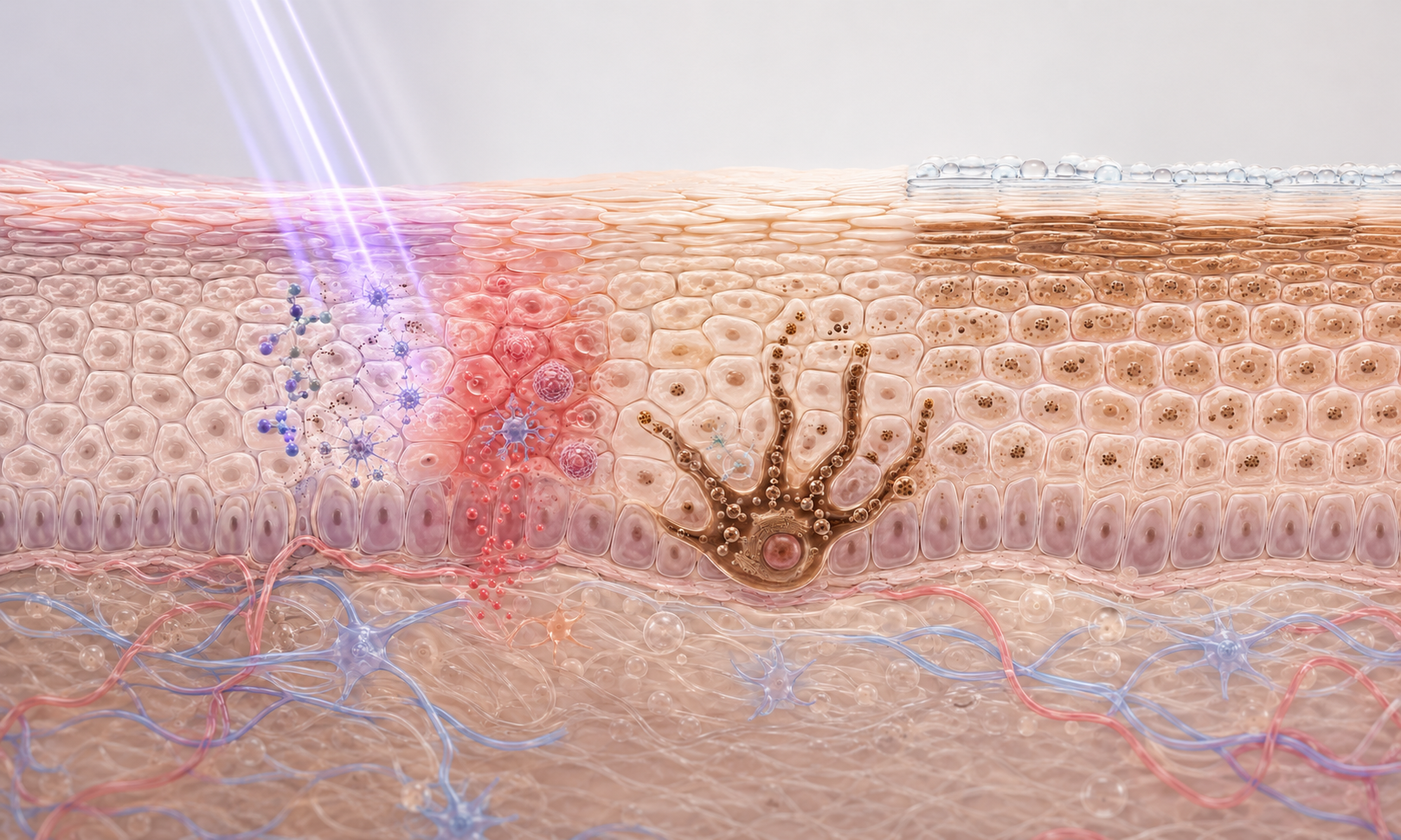
2. Understanding Different Pigmentation Pathways
Effective hyperpigmentation formulation requires understanding the biological mechanisms driving melanin production and deposition. Different pathways respond to different active ingredients, making pathway mapping essential for strategic product development.
Melanin Synthesis Pathway (Tyrosinase Activity)
Tyrosinase is the rate-limiting enzyme in melanin production, converting tyrosine to DOPA and DOPAquinone—precursors to melanin pigment. This pathway represents the primary target for most brightening actives.
Key intervention points:
- Direct tyrosinase enzyme inhibition
- Copper chelation (tyrosinase requires copper as cofactor)
- Gene expression modulation reducing tyrosinase production
- Post-translational modification affecting enzyme maturation
Melanin Transfer and Deposition
After synthesis, melanin transfers from melanocytes to surrounding keratinocytes through dendritic processes. This transfer and subsequent keratinocyte migration to skin surface determines visible pigmentation intensity.
Key intervention points:
- Blocking melanosome transfer between melanocytes and keratinocytes
- Accelerating keratinocyte turnover to expedite pigmented cell shedding
- Disrupting PAR-2 receptor signaling that triggers melanin uptake
Inflammation-Induced Pigmentation (PIH)
Post-inflammatory hyperpigmentation occurs when inflammatory mediators trigger melanocyte activation and melanin overproduction. This pathway is particularly relevant for acne-prone skin and sensitive skin demographics.
Key intervention points:
- Inhibiting inflammatory cytokines (IL-1, TNF-α, PGE2)
- Stabilizing mast cells and reducing histamine release
- Blocking NF-κB inflammatory signaling pathway
- Supporting barrier function to prevent inflammatory triggers
UV-Induced Pigmentation
UV radiation triggers both direct DNA damage and oxidative stress, activating transcription factors (MITF, MC1R) that upregulate melanogenesis. UV-induced pigmentation requires both preventative and corrective approaches.
Key intervention points:
- Antioxidant protection against ROS formation
- DNA repair enzyme support
- α-MSH receptor blockade preventing melanocyte stimulation
- Mandatory broad-spectrum SPF in any pigmentation treatment protocol
Implications for Formulation
Understanding these distinct pathways enables strategic active selection based on target pigmentation type:
For melasma: Combine tyrosinase inhibitors with vascular-targeting actives and UV protection
For PIH: Prioritize anti-inflammatory actives with keratolytic agents
For UV damage: Emphasize antioxidants with tyrosinase inhibitors and exfoliants
For stubborn hyperpigmentation: Target multiple pathways simultaneously for comprehensive treatment
This pathway mapping approach allows brands to develop targeted product lines addressing specific consumer needs rather than generic “brightening” claims.
3. Best Ingredient Combinations
Strategic pairing of complementary actives creates formulations that outperform individual ingredients. The following combinations offer proven synergy with strong scientific rationale for B2B product development.
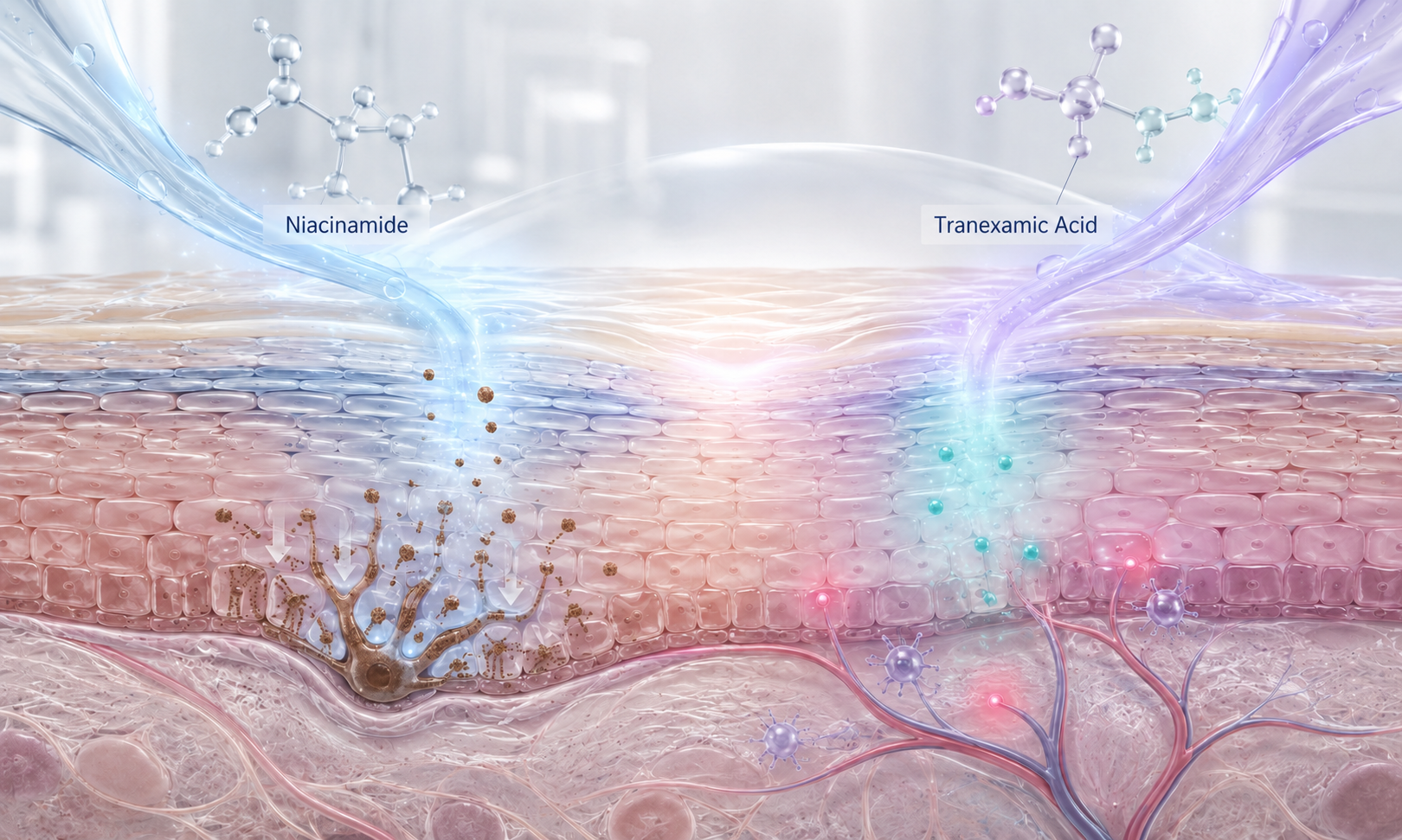
Niacinamide + Tranexamic Acid
This combination addresses both barrier function and vascular-mediated pigmentation, making it ideal for sensitive skin formulations and post-inflammatory hyperpigmentation.
Mechanism of synergy:
- Niacinamide (2-5%): Inhibits melanosome transfer from melanocytes to keratinocytes, reduces inflammatory cytokines, strengthens skin barrier through ceramide synthesis
- Tranexamic Acid (2-5%): Blocks plasmin activity reducing prostaglandin and arachidonic acid production, decreases vascular permeability associated with melasma
Formulation benefits:
- Both are water-soluble and stable across pH 5.0-7.0
- Non-photosensitizing, suitable for morning application
- Well-tolerated across skin types with minimal irritation
- Compatible with most delivery systems (serums, gels, creams)
B2B application: Position as “sensitive skin safe” brightening solution or post-procedure recovery treatment for professional skincare lines.
Alpha Arbutin + Vitamin C
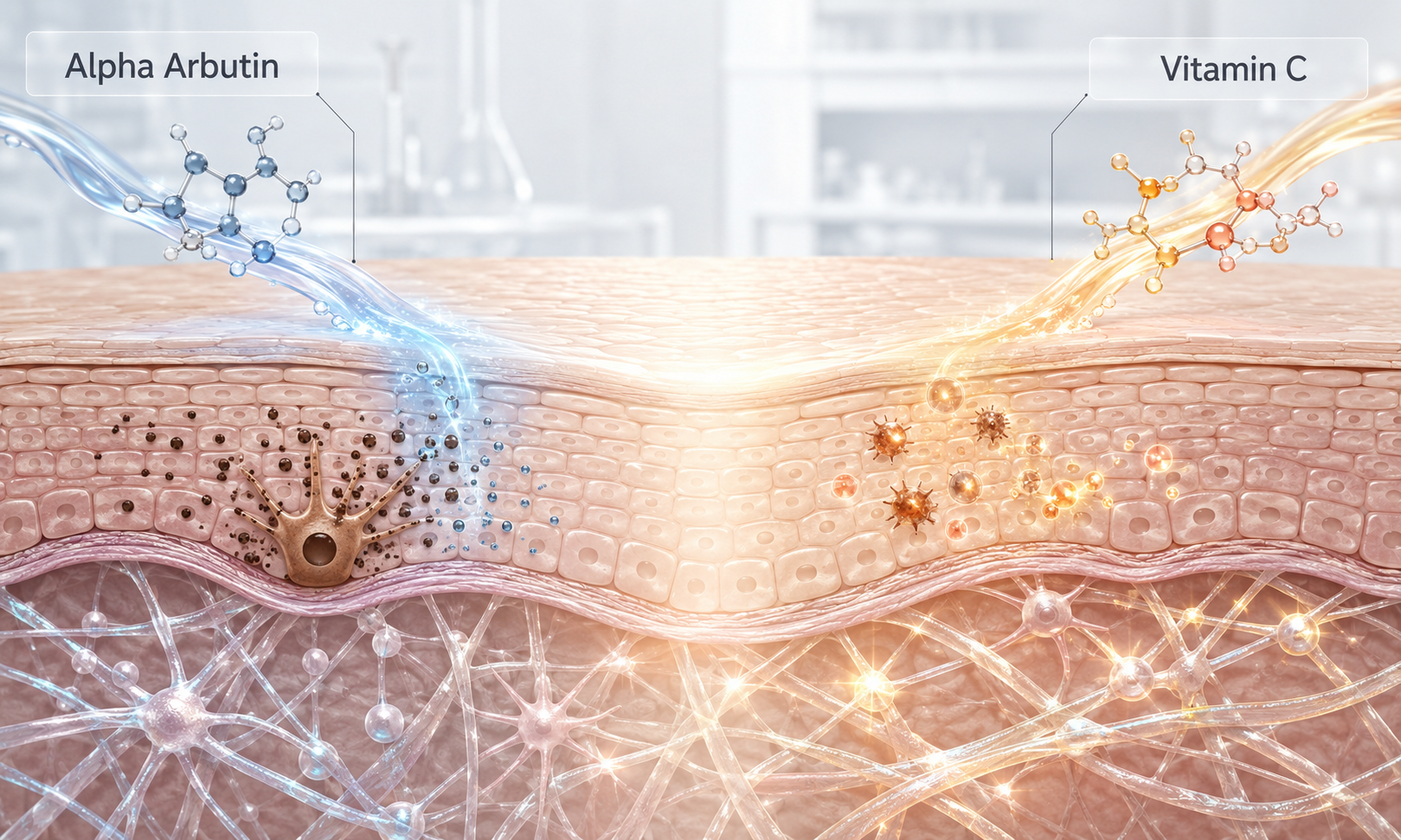
This classic combination provides direct tyrosinase inhibition paired with antioxidant protection, addressing both melanin synthesis and oxidative triggers.
Mechanism of synergy:
- Alpha Arbutin (1-3%): Competitive tyrosinase inhibitor, gradually releases hydroquinone in skin at safe levels, reduces melanin production without cytotoxicity
- Vitamin C/L-Ascorbic Acid (10-20%) or stable derivatives (3-10%): Interrupts melanin synthesis at multiple points, neutralizes free radicals, regenerates oxidized vitamin E, stimulates collagen
Formulation considerations:
- L-Ascorbic Acid requires pH <3.5 for stability and penetration (may not be compatible with all formulas)
- Consider stable derivatives (Ascorbyl Glucoside, Magnesium Ascorbyl Phosphate, Ethyl Ascorbic Acid) at pH 5.0-7.0 for easier formulation
- Alpha Arbutin is stable and compatible across pH ranges
- Anhydrous or low-water formulations extend vitamin C stability
B2B application: Develop as premium “clinical-grade brightening” product with emphasis on dual-action mechanism. Consider separate packaging for highest vitamin C stability.
Azelaic Acid + Tranexamic Acid (TXA)
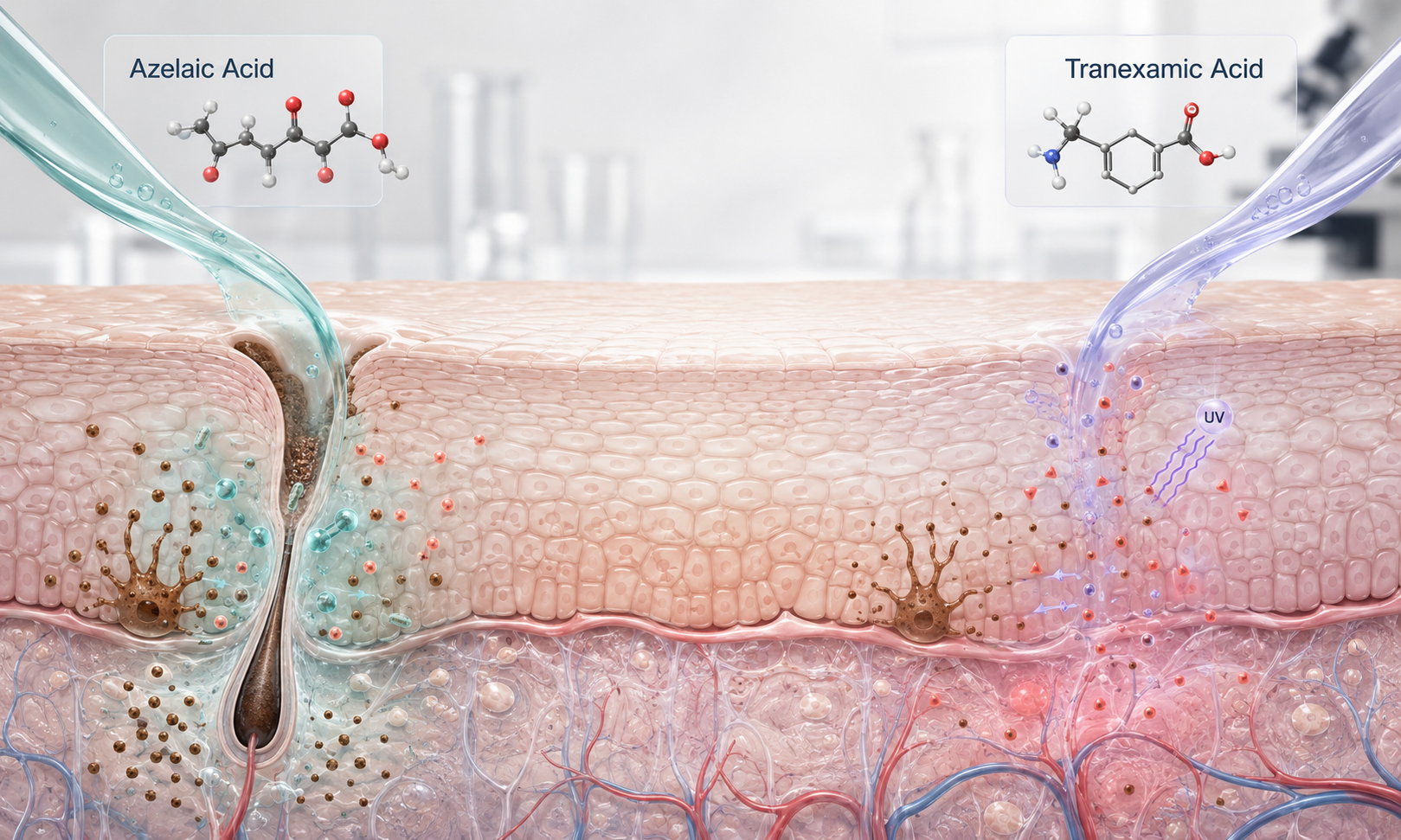
This powerful combination targets both inflammatory pathways and melanin synthesis, particularly effective for acne-related PIH and melasma.
Mechanism of synergy:
- Azelaic Acid (10-20%): Tyrosinase inhibitor, anti-inflammatory through reduction of reactive oxygen species, antibacterial (reduces acne triggers), keratolytic for enhanced penetration
- Tranexamic Acid (2-5%): Anti-plasmin activity, reduces UV-induced pigmentation, decreases vascular factors in melasma
Formulation considerations:
- Azelaic acid requires solubilization (poorly water-soluble); use silicone-based systems or specialized solubilizers
- pH around 4.0-5.0 optimal for azelaic acid efficacy
- Suspension formulations common at higher azelaic acid percentages
- Potential for initial mild irritation requires formulation with soothing agents
B2B application: Target acne-prone demographics and professional treatment protocols. Position as “multi-functional” addressing both active breakouts and resulting pigmentation.
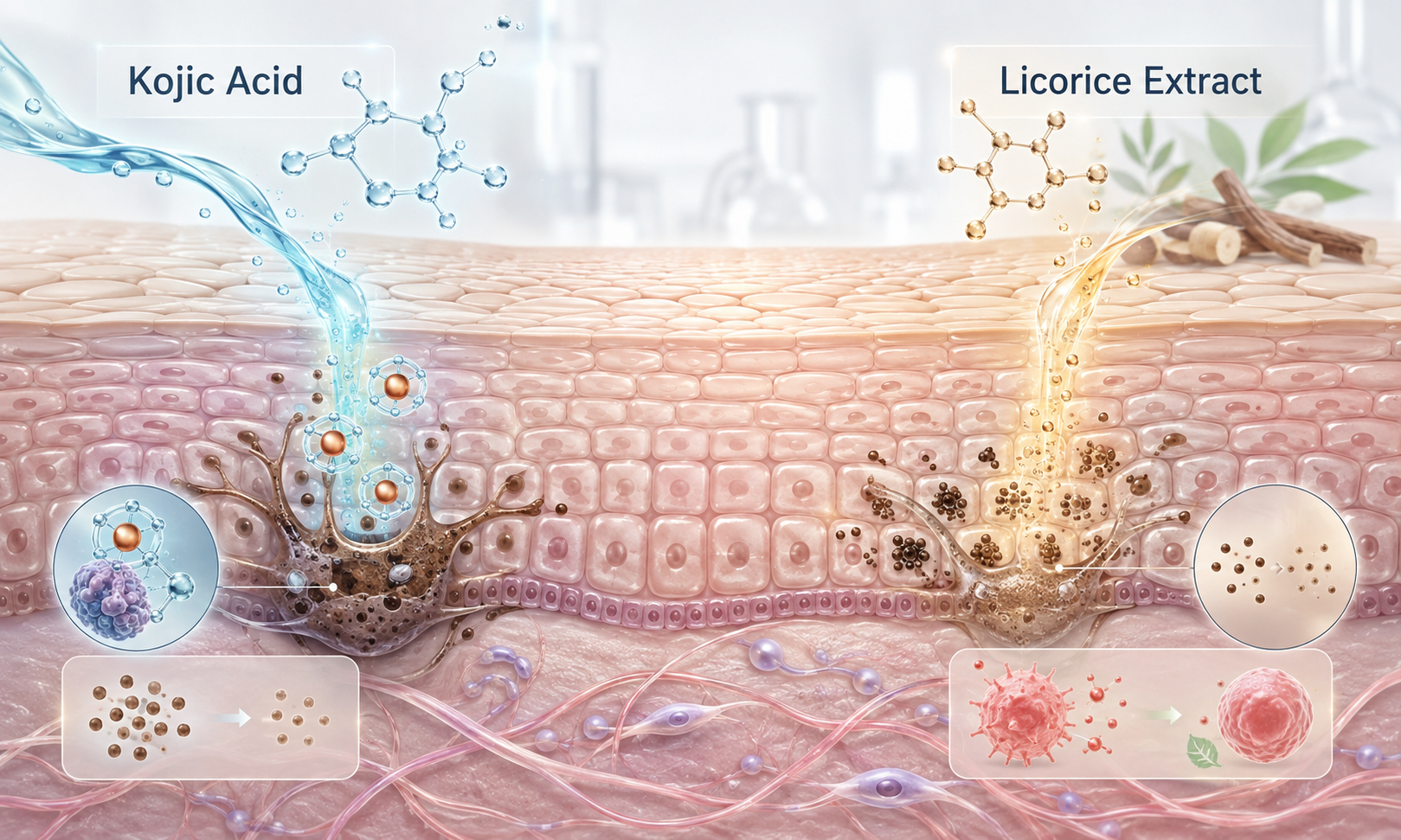
Kojic Acid + Licorice Extract
This combination offers tyrosinase inhibition through multiple mechanisms with added anti-inflammatory benefits, suitable for gentle daily-use formulations.
Mechanism of synergy:
- Kojic Acid (1-4%): Copper chelator preventing tyrosinase activation, direct enzyme inhibition, antioxidant properties
- Licorice Extract/Glabridin (0.5-2%): Tyrosinase inhibitor, disperses existing melanin, anti-inflammatory through inhibition of superoxide anion production
Formulation considerations:
- Kojic acid prone to oxidation; requires antioxidant stabilizers and protective packaging
- pH 4.0-6.5 optimal for stability
- Licorice extract quality varies; standardized glabridin content essential
- Light-sensitive; recommend opaque or dark glass packaging
B2B application: Market as “natural-derived brightening” for clean beauty positioning, suitable for Asian beauty market preferences.
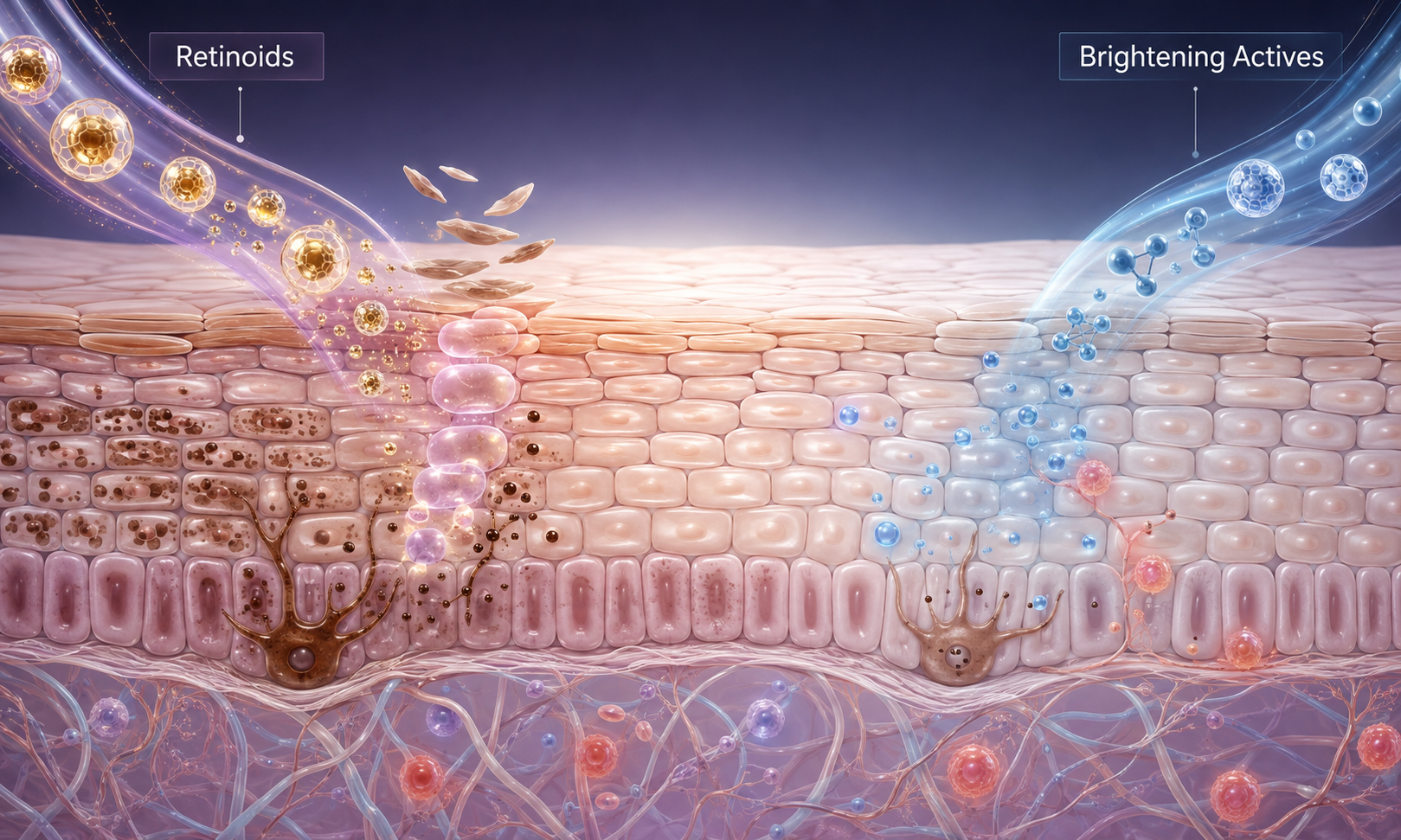
Retinoids + Brightening Actives
Retinoids enhance virtually any brightening formulation through increased cellular turnover and direct melanin synthesis inhibition, though require careful irritation management.
Mechanism of synergy:
- Retinol/Retinaldehyde (0.1-1%): Accelerates keratinocyte turnover expediting pigmented cell removal, downregulates tyrosinase gene expression, improves ingredient penetration
- Paired actives: Niacinamide (barrier support), Alpha Arbutin (tyrosinase inhibition), or Azelaic Acid (anti-inflammatory)
Formulation considerations:
- Retinoids require anhydrous or encapsulated delivery for stability
- pH 5.5-6.5 optimal; avoid combining with acids in same formula
- Photosensitive; designate as nighttime treatment only
- Include soothing agents (bisabolol, allantoin) to manage retinoid irritation
B2B application: Develop as nighttime intensive treatment or professional-grade “accelerated brightening” protocol for medispas and dermatologist dispensing.
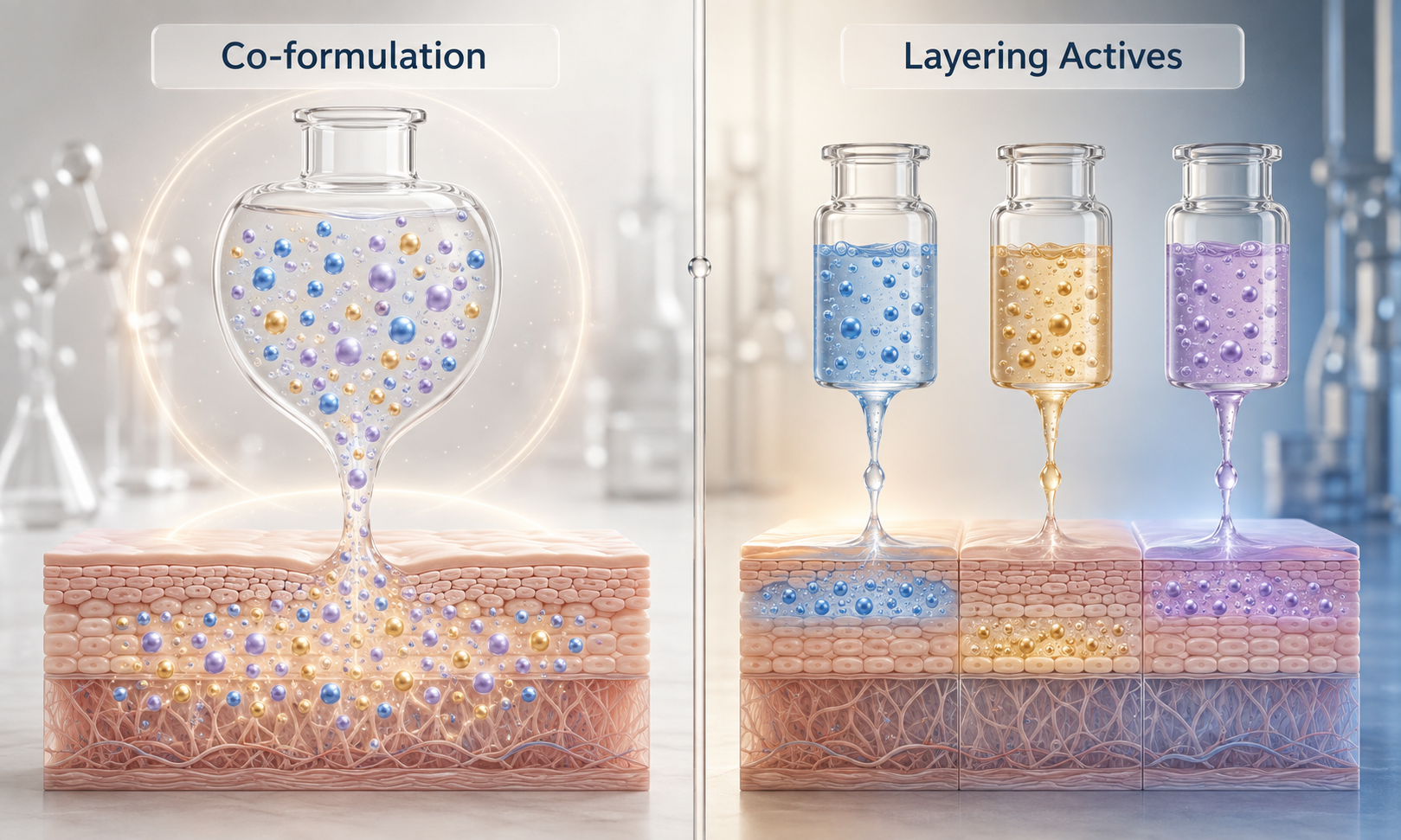
Layering Actives vs Co-formulation
Strategic product development requires deciding whether to combine actives in single formulations or design multi-step regimens.
Co-formulation advantages:
- Simplified consumer compliance (fewer steps)
- Controlled ratios ensuring optimal synergy
- Single stability and compatibility testing
- Streamlined manufacturing and inventory
Multi-step regimen advantages:
- Optimal pH for each active in separate products
- Flexibility for consumer customization
- Easier reformulation and ingredient substitution
- Ability to target different application times (AM/PM)
- Premium pricing opportunities through system selling
Decision framework:
- Same pH range and compatible chemistries: Consider co-formulation
- Different pH requirements (e.g., L-Ascorbic Acid + peptides): Separate products
- Different application timing (photosensitizing actives): Night/day split
- Target market sophistication: Multi-step for engaged consumers, all-in-one for simplicity-seekers
4. Balancing Efficacy and Irritation
High-potency brightening combinations carry increased risk of irritation, barrier disruption, and paradoxical post-inflammatory hyperpigmentation. Strategic formulation minimizes these risks while maintaining clinical efficacy.
Managing Irritation Potential
Use stable, gentle derivatives:
- Substitute L-Ascorbic Acid with Sodium Ascorbyl Phosphate or 3-O-Ethyl Ascorbic Acid (less acidic)
- Choose Alpha Arbutin over hydroquinone for tyrosinase inhibition
- Select encapsulated retinoids for time-released, reduced irritation
Incorporate barrier-supporting ingredients:
- Ceramides (1-5%): Restore lipid barrier preventing trans-epidermal water loss
- Cholesterol + fatty acids: Complete lipid barrier ratio
- Panthenol (1-5%): Humectant and anti-inflammatory
- Hyaluronic Acid (0.5-2%): Hydration without occlusion
Add soothing and anti-inflammatory agents:
- Centella Asiatica/Madecassoside (0.1-1%): Reduces inflammation, supports wound healing
- Bisabolol (0.1-0.5%): Anti-irritant, anti-inflammatory
- Allantoin (0.5-2%): Soothing, promotes cell proliferation
- Colloidal Oatmeal (1-5%): Anti-inflammatory, barrier protective
Implement gradual introduction protocols:
- Recommend alternate-day application initially, building to daily use
- Start with lower active concentrations, offer higher potency “advanced” versions
- Provide clear usage instructions emphasizing gradual tolerance building
Skin-Type Recommendations
Tailoring formulation strategies to specific skin types enhances both efficacy and tolerability, enabling more precise market positioning.
Sensitive/Reactive Skin:
- Lower active concentrations (Niacinamide 2-3%, Alpha Arbutin 1%, TXA 2%)
- Higher ratios of soothing agents
- Minimal fragrance or sensitizing preservatives
- Cream or lotion base providing barrier support
- Avoid layering multiple acids
- Anti-inflammatory + sebum-regulating actives (Azelaic Acid, Niacinamide)
- Lightweight gel or serum delivery
- Include salicylic acid (0.5-2%) for combined exfoliation and acne control
- Avoid heavy occlusives that may trigger breakouts
- Pair brightening actives with intensive hydrators
- Cream or balm base with emollients
- Include peptides or retinoids for concurrent anti-aging benefits
- Higher concentrations of humectants (Hyaluronic Acid, Glycerin)
Normal/Combination Skin:
- Standard active concentrations suitable
- Flexible delivery system (serum, lotion, light cream)
- Can tolerate more active ingredients without extensive buffering
This skin-type segmentation enables brand differentiation through targeted product lines rather than single universal formulations.
5. Formulation Compatibility Considerations
Successful multi-active brightening products require careful attention to chemical compatibility, stability, and delivery vehicle selection. Incompatibilities can reduce efficacy, cause destabilization, or increase irritation potential.
pH Compatibility Between Actives
Different actives demonstrate optimal activity and stability within specific pH ranges. Combining ingredients with incompatible pH requirements reduces efficacy or necessitates separate product application.
pH requirements for common brightening actives:
| Active Ingredient | Optimal pH Range | Compatibility Notes |
|---|---|---|
| L-Ascorbic Acid | 2.0-3.5 | Incompatible with most other actives; separate product recommended |
| Azelaic Acid | 4.0-5.0 | Compatible with most actives; mild irritation potential |
| Kojic Acid | 4.0-6.5 | Broad compatibility; oxidation concerns |
| Alpha Arbutin | 4.5-6.5 | Highly compatible; stable across range |
| Niacinamide | 5.0-7.0 | Compatible with most; controversy with acids largely debunked at proper pH |
| Tranexamic Acid | 5.0-7.0 | Excellent compatibility; stable and non-irritating |
| Retinol | 5.5-6.0 | Avoid direct combination with acids; separate application times |
| Glycolic Acid | 3.0-4.0 | Can be paired with some actives; pH buffering required for tolerance |
Formulation strategies for pH conflicts:
- Separate products in regimen: Allow optimal pH for each active
- Buffered systems: Compromise pH may reduce individual active potency
- Time-separated application: AM/PM split or wait-time between products
- Encapsulation technology: Protects pH-sensitive actives within incompatible base
Solubility and Delivery Vehicle Selection
Active ingredient solubility determines appropriate delivery system, affecting both stability and skin penetration.
Water-soluble actives (require aqueous delivery):
- Niacinamide, Tranexamic Acid, Kojic Acid, Alpha Arbutin, most Vitamin C derivatives
- Hyaluronic Acid, Glycolic Acid, Azelaic Acid (with solubilizers)
- Delivery systems: Serums, gels, light lotions, essences, aqueous creams
- Penetration enhancers: Propanediol, butylene glycol, glycerin (also serve as humectants)
Oil-soluble actives (require lipophilic delivery):
- Retinol, Retinyl Palmitate, Vitamin E (Tocopherol)
- Bakuchiol, certain botanical extracts
- Delivery systems: Anhydrous serums, oil-based treatments, emulsion creams, balms
- Solubilizers: Caprylic/Capric Triglyceride, squalane, plant oils, silicones
Amphiphilic actives (soluble in both):
- Arbutin (with proper solubilizers), certain licorice derivatives
- Ascorbyl Tetraisopalmitate (lipid-soluble Vitamin C)
- Delivery systems: Flexible formulation options, emulsions work well
Advanced delivery considerations:
- Liposomal encapsulation: Enhances penetration of water-soluble actives, protects from degradation
- Nanoparticle delivery: Improves stability and controlled release
- Silicone-based systems: Elegant texture, improved spreadability, suitable for azelaic acid suspension
- Anhydrous formulations: Maximum stability for oxidation-prone actives (Vitamin C, retinoids, kojic acid)
Stability During Storage and Packaging
Multi-active formulations face increased stability challenges requiring careful consideration during product development and shelf-life testing.
Common stability issues:
Oxidation (primary concern for brightening actives):
- Vulnerable ingredients: Vitamin C, kojic acid, hydroquinone, certain plant extracts
- Prevention strategies:
- Antioxidant stabilizers (Vitamin E, ferulic acid, glutathione)
- Chelating agents (EDTA, phytic acid) to bind metal ions catalyzing oxidation
- Nitrogen flushing during manufacturing
- Anhydrous formulations eliminating water-mediated oxidation
pH drift over time:
- Causes: Ingredient interactions, preservative breakdown, temperature fluctuations
- Prevention strategies:
- Robust buffering systems maintaining target pH
- Stability testing at accelerated conditions (40°C/75% RH)
- pH monitoring throughout shelf-life studies
Active degradation:
- Temperature-sensitive actives: Retinoids, certain peptides, enzymes
- Light-sensitive actives: Retinoids, vitamin C, kojic acid
- Prevention strategies:
- Climate-controlled storage recommendations
- Protective packaging (airless, opaque)
- Shorter PAO (period after opening) recommendations
Microbial contamination:
- Multi-active formulations may challenge preservative efficacy
- Preservative compatibility testing with all actives required
- Broad-spectrum preservation system recommended
Color changes (indication of instability):
- Browning indicates oxidation or Maillard reactions
- Vitamin C formulations particularly prone to discoloration
- Cosmetic concern even if efficacy maintained
Regulatory and Safety Checks
Multi-active hyperpigmentation formulations require thorough safety evaluation and regulatory compliance across target markets.
Safety testing requirements:
Stability Testing:
- Accelerated stability (40°C/75% RH for 3-6 months minimum)
- Real-time stability (25°C/60% RH for intended shelf life)
- Freeze-thaw cycling for climate variability
- pH, viscosity, color, active concentration monitoring
Compatibility Testing:
- Active ingredient interactions over time
- Preservative efficacy testing (challenge test) with all actives
- Packaging compatibility (especially plastics with potent actives)
Safety Assessment:
- HRIPT (Human Repeat Insult Patch Test) for sensitization potential
- Clinical safety studies for multi-active combinations
- Phototoxicity testing for products containing photosensitizing ingredients
- Ocular irritation testing if product used near eye area
Regulatory considerations by region:
United States (FDA):
- Cosmetic classification for most brightening actives
- Hydroquinone >2% requires drug classification (OTC monograph)
- Proper labeling including active concentrations if making drug claims
- Adverse event reporting system awareness
European Union (EU Cosmetics Regulation):
- Hydroquinone banned in cosmetics
- Kojic acid restricted and under review in some member states
- Safety assessment (CPSR) required before market entry
- Notification via CPNP (Cosmetic Products Notification Portal)
Asia-Pacific Markets:
- China: Registration requirements for imported cosmetics, animal testing considerations (waived for certain categories)
- Korea: Functional cosmetic designation for whitening products, specific active concentration limits
- ASEAN: Cosmetic Directive harmonization, notification systems varying by country
- Japan: Quasi-drug classification for brightening claims, approved ingredient lists
Key compliance considerations:
- Active concentration limits: Vary by jurisdiction (e.g., kojic acid, arbutin, certain acids)
- Prohibited combinations: Some regulatory bodies restrict certain active pairings
- Claim substantiation: Clinical or consumer perception studies supporting efficacy claims
- Labeling accuracy: Active concentrations, usage instructions, warnings for photosensitivity
B2B due diligence recommendations:
- Engage regulatory consultants familiar with target markets
- Build compliance costs into product development budgets
- Consider multi-market registration strategy for scalability
- Maintain comprehensive documentation for safety and efficacy
Conclusion: Building a Smarter Hyperpigmentation Treatment
Effective hyperpigmentation treatment is not about combining as many actives as possible. It is about selecting ingredients that target complementary pigmentation pathways while remaining compatible, stable, and well tolerated. The right combination should address melanin production, pigment transfer, inflammation, oxidative stress, and skin-barrier health without creating unnecessary irritation.
At Nebula Cosmetic, we support skincare brands in developing customized dark spot and pigmentation solutions—from active selection and formula development to stability testing, packaging, and manufacturing. Whether you are creating a gentle daily brightening serum or a targeted professional treatment system, our team can help transform your product concept into a market-ready formula.
Dark Spot Research Center
You May Also Like


Develop Your Skincare Products
Looking to launch your own skincare line? Our experienced team can support you through every stage of the development process. From custom formulation and ingredient selection to packaging and full-scale manufacturing, we provide complete OEM and private label solutions tailored to your brand.
